
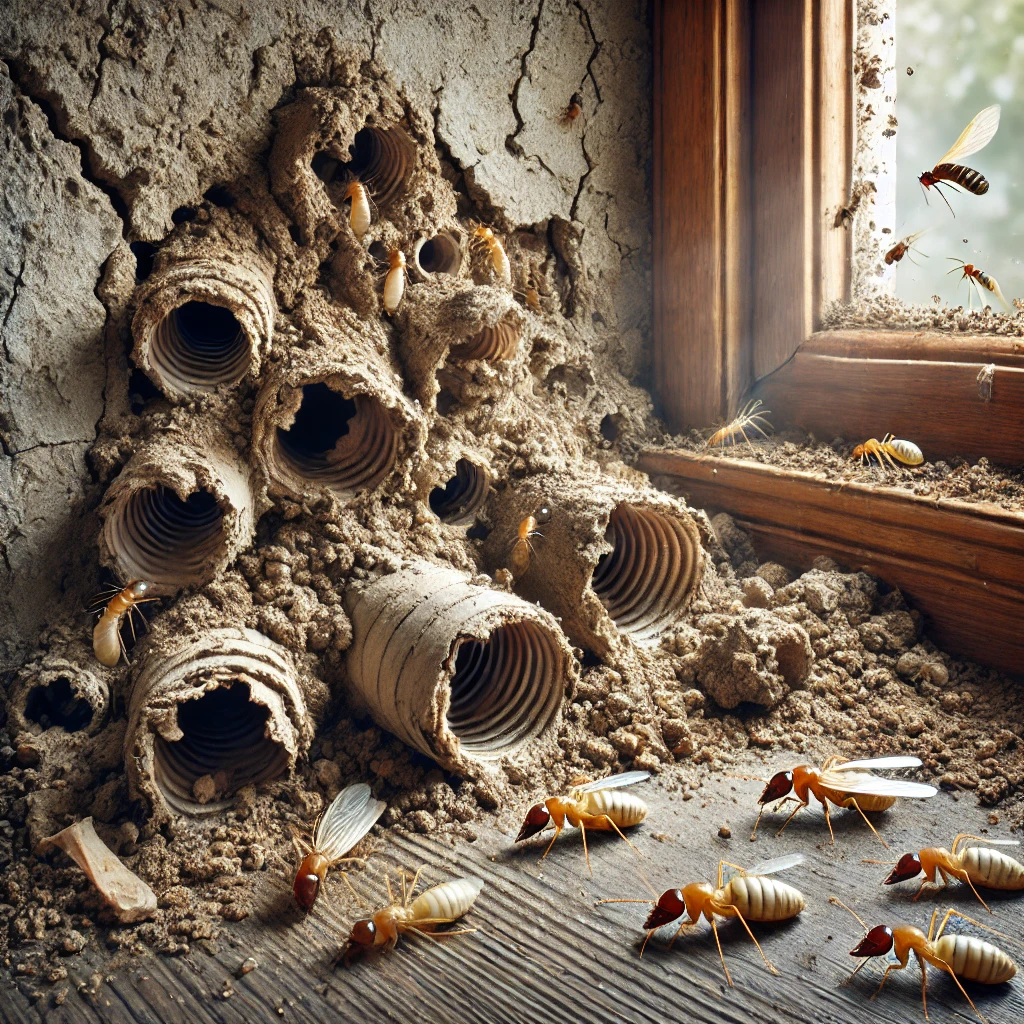
Termites are a silent threat that can cause extensive damage before homeowners even realise there’s a problem. Jimboomba’s warm climate and rich soil make it a prime location for termite infestations, putting many properties at risk.
Without early detection, termites can compromise a building’s structural integrity, leading to costly repairs. That’s why understanding the warning signs of termite activity is essential for homeowners, property investors, and business owners alike.
Recognising termite activity early can save you thousands in repairs. Here are the most common indicators of an infestation:
If you notice any of these signs, contact Reliance Pest Control Jimboomba for an immediate termite inspection.
Termites feed on cellulose, the primary component of wood. Over time, they can weaken floors, walls, and even support beams, leading to severe structural issues. In commercial buildings, termites can damage inventory, furniture, and even electrical wiring, creating a fire hazard.
Without intervention, what starts as a minor termite problem can quickly escalate into an expensive crisis.
One of the biggest challenges with termites is that they operate out of sight. They often infest subfloors, wall cavities, and roof spaces, making detection difficult without professional equipment. Since they work silently, most infestations go unnoticed until visible damage appears.
Regular termite inspections are the best way to catch an infestation before it becomes severe.
If you suspect termites, a professional inspection is crucial. Pest control experts use:
Reliance Pest Control Jimboomba uses advanced inspection methods to accurately assess your home for termite activity.
If you discover signs of termites, avoid disturbing them—this could cause them to relocate and spread further. Instead:
Protecting your property from termites requires a proactive approach:
Certain properties are more vulnerable to termites, including:
While termites do not spread diseases, they can contribute to poor indoor air quality. Termite activity increases moisture levels, leading to mould and mildew growth, which can trigger allergies, asthma, and respiratory issues. Additionally, fine termite dust can irritate the eyes, skin, and lungs. Keeping your home termite-free also helps maintain a healthier living environment.
Previously, we explored the importance of pre-purchase pest inspections for home buyers. Ensuring a property is free of termites before buying can save thousands in future repair costs.
If you missed that article, check it out here to learn how to protect your investment.
Now that you know how to identify termite activity, the next step is long-term protection. In our upcoming article, we’ll cover:
Stay tuned for expert advice on keeping your home termite-free for years to come.
If you suspect termite activity in your home, don’t wait. Book a professional termite inspection with Reliance Pest Control Jimboomba today and protect your property before it’s too late.
📍 Stay updated on termite prevention tips! Follow us on Reliance Pest Control Jimboomba’s Facebook Page for expert advice and special offers.